
Iran is a country with a huge natural resource of oil. That enables Iran to be a vital ally of countries that are in need of Iran’s reserve in order to fuel their economy. Specifically China finds it very convenient to have a warm business relationship with Iran. As with so many other foreign policy policies of China, China does not care whatsoever if they are funding a dictatorial regime that has been subjugating it’s people for decades in the most opressive fashion. China is the ultimate customer and they pay in cash which makes it easier for Iran to fund their terrorist proxies.
Iran used to be the most Westernized country in the entire Middle East until 1979. Outside of Lebanon, very few countries were as inclined to cooperation with the West as Iran was. The Shah of Iran was indeed a controversial leader who piled up many foes. But, all in all, he was the best option for stability in Iran – until he was deposed in a brutal revolution led by militant Islamists.
It not only changed Iran. It helped bring down Jimmy Carter’s presidency after one term. Carter was very unpopular even before the Iranian revolution. But when the American hostages were taken in Iran and the press covered Iran’s brutal treatment of the Americans during the entire election season of 1979, it sealed Carter’s fate. Any chance that Carter had of appearing presidential was dashed by the depressing sights of Americans blindfolded and stuck in Iran. Ronald Reagan projected strength and hope and won by a landslide.
The US attempt to perform a rescue operation was a total failure when two US helicopters crashed in the desert. Many viewed this as a reflection of Carter’s entire foreign policy failure with Iran.
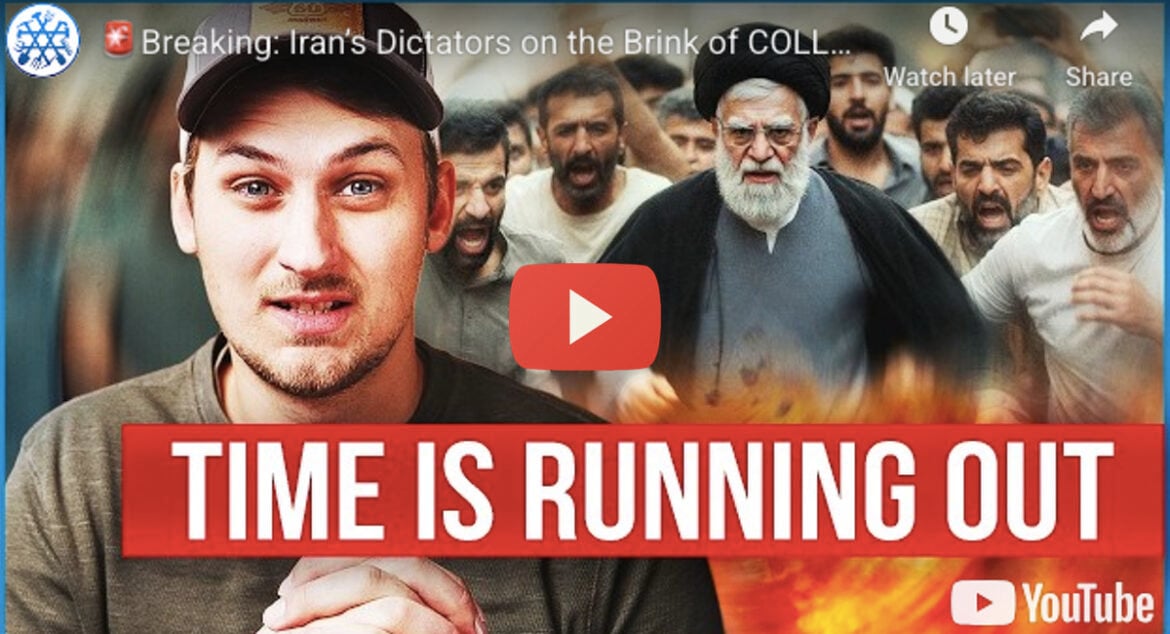
Today, the situation in Iran creates what may be the perfect storm for an internal uprising within Iran to bring down the Ayatollah’s reign. Millions of Iranians are suffering financially from Iran’s funding of terrorist proxies and crippling sanctions from the USA. But Iranian repression via machine gun will quickly put an end to many of the protests.
The real question is whether or not the military will stick with Iran’s radical Islamic leadership. If parts of the military defect, then it won’t be pretty, but this could be the beginning of a new dawn in Iran. If the military sticks with the Ayatollahs, then America should continue to stick with sanctions as long as it takes to keep Iran from rearming.
But this chance for a counterrevolution may not come about again any time in the next decade or two.