Whatsapp
Israel is entering one of the most dangerous periods in the ongoing confrontation with Iran. With Israeli elections less than two weeks away and American midterm elections scheduled for November 3, the IDF is preparing for the possibility that a single miscalculation could ignite another major regional war.
According to reports, Israel’s defense establishment has increased its surveillance of Iranian military activity, particularly ballistic missile and drone testing conducted over the past week. Although Israeli intelligence has not identified concrete indications of an imminent Iranian or Hezbollah attack, the military is treating the current environment with heightened concern.
The real danger may not be a deliberate Iranian decision to launch a full-scale confrontation. Rather, it is the possibility that Tehran, Hezbollah, the Houthis, or another Iranian-backed force could initiate a limited attack, believing Israel’s political leadership would be reluctant to respond decisively before elections.
That would be a potentially catastrophic miscalculation.
Since October 7, Israel’s strategic environment has fundamentally changed. The assumption that limited enemy provocations can be managed indefinitely through restrained retaliation has repeatedly proven dangerous. Israel can no longer afford to allow its enemies to dictate the timing, location, or intensity of military confrontations.
The approaching elections create an additional strategic vulnerability. Tehran understands that both Prime Minister Benjamin Netanyahu and President Donald Trump face significant political considerations. Iranian planners may calculate that Washington and Jerusalem would prefer to avoid a major escalation during this sensitive period.
But political sensitivity should not be confused with military weakness.
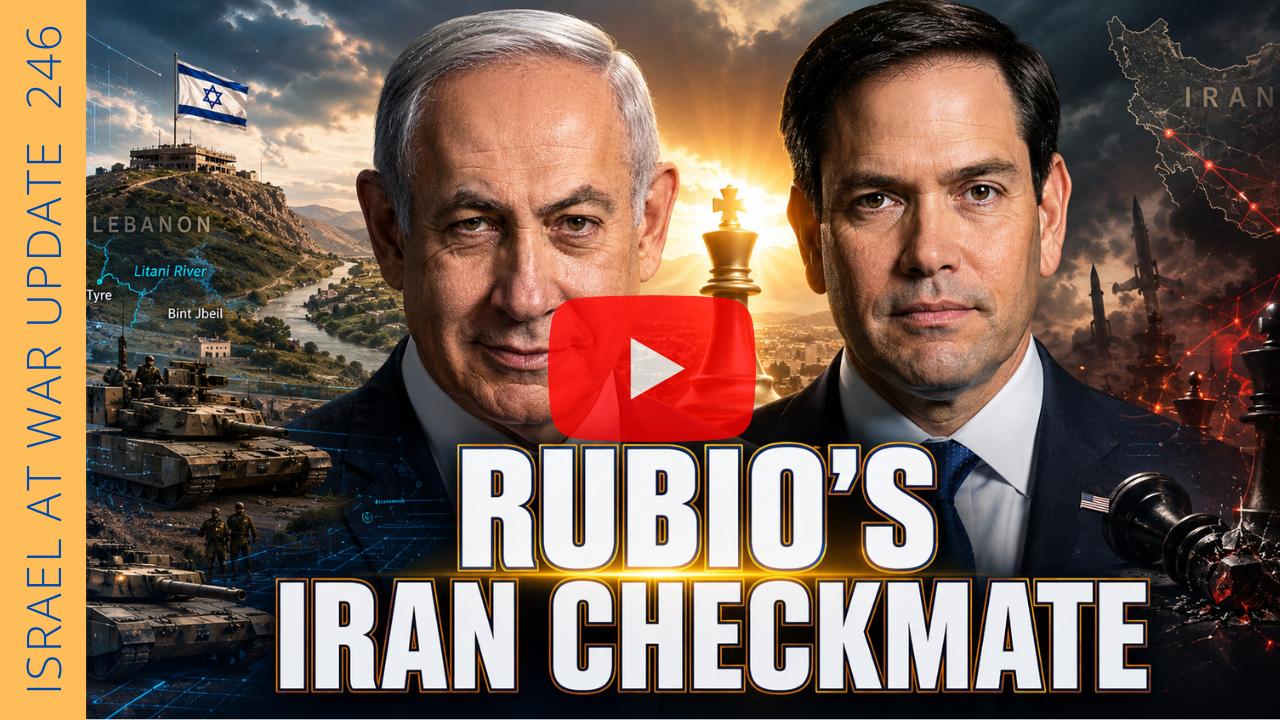
Netanyahu made that distinction clear in an interview with Channel 14, warning that an Iranian attack would be a disastrous mistake and emphasizing Israel’s ability to act independently.
IDF Chief of Staff Eyal Zamir has similarly warned that the combination of multiple regional threats and the current sensitive period has increased the potential for escalation.
The critical question is whether Iran understands the consequences of testing Israel’s resolve.
From Lebanon to Yemen and Iran itself, the Iranian-led regional network retains the ability to create simultaneous security challenges. Even an isolated attack could force Israel into a broader confrontation if Tehran misreads Jerusalem’s intentions.
Israel’s challenge is therefore twofold: maintain sufficient military readiness to respond immediately while ensuring that its enemies understand the costs of escalation.
The coming twelve days could determine whether the region moves toward another major confrontation or whether Israeli deterrence prevents one.
For Israel, the lesson of October 7 remains central: strategic surprise becomes most dangerous when political assumptions replace military preparedness.
Israel must be ready to act regardless of the electoral calendar.