Whatsapp
Israel is preparing for a scenario that its security establishment has spent years trying to avoid: a full-scale military confrontation with the Palestinian Authority in Judea and Samaria.
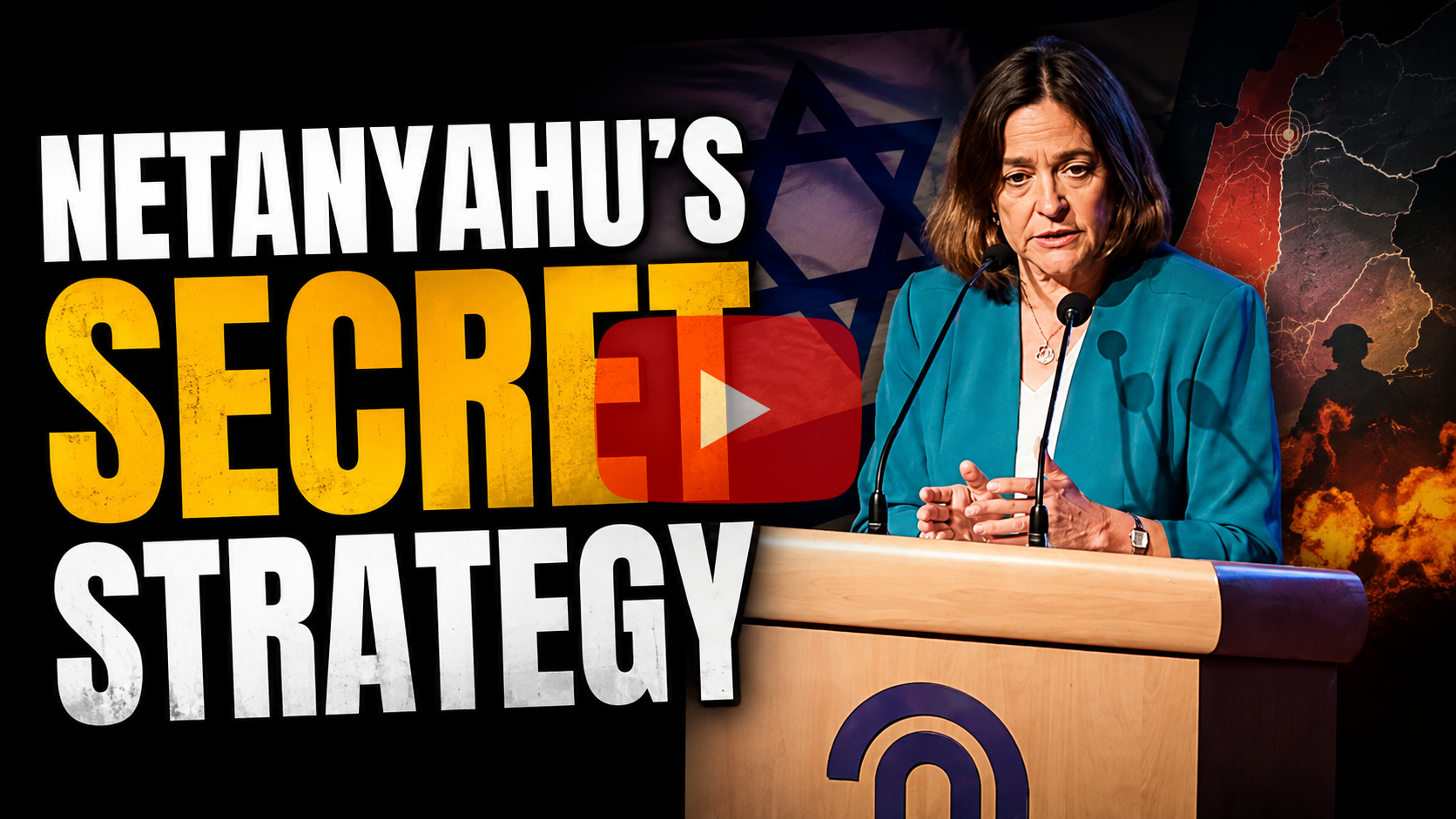
Defense Minister Israel Katz has informed cabinet ministers that the IDF has been instructed to prepare for the possibility that Palestinian Authority security forces, together with the Fatah-affiliated Tanzim organization and other armed elements, could turn their weapons against Israeli civilians and soldiers.
The reference point is October 7.
That distinction matters. Before Hamas launched its massacre from Gaza, Israel’s security establishment operated under the assumption that economic incentives, intelligence cooperation, and limited military operations could contain the terrorist threat. Those assumptions collapsed on October 7, 2023.
Now Israel is examining whether a similar strategic failure could unfold in Judea and Samaria, with potentially even more dangerous geographical consequences.
Unlike Gaza, Judea and Samaria overlook Israel’s central population centers. Armed forces operating from Palestinian-controlled cities could threaten Jerusalem, Kfar Saba, Rosh Ha’ayin, Petah Tikva, and communities throughout the biblical heartland.
The distances involved leave little margin for error.
Katz’s warning represents a significant shift in military planning. According to the defense minister, an organized assault involving PA security forces would trigger a comprehensive Israeli offensive, already planned and approved by Prime Minister Benjamin Netanyahu and Katz himself.
The proposed campaign would combine ground forces, airpower, intelligence capabilities, and special operations. Its objectives would include dismantling armed organizations, destroying weapons stockpiles and terrorist infrastructure, and removing senior figures responsible for attacks.
Katz has explicitly rejected the possibility of another prolonged intifada.
Instead, Israel would seek a short, decisive campaign designed to fundamentally change the security reality, drawing operational lessons from Gaza and Lebanon.
But the deeper question is political.
For decades, significant elements of Israel’s defense establishment have viewed Mahmoud Abbas and the Palestinian Authority’s security apparatus as essential partners in maintaining stability. Security coordination has been treated as a strategic asset, even as Palestinian armed organizations continued operating across Judea and Samaria.
That institutional assessment has not disappeared. Israeli security officials still regard cooperation with PA forces as valuable in counterterrorism operations.
Yet Katz’s preparations acknowledge a critical possibility: forces regarded as security partners today could become adversaries tomorrow.
October 7 demonstrated the catastrophic cost of confusing an assessment of an enemy’s intentions with a guarantee of future behavior.
Preparing for war does not mean war is inevitable. Nor does it establish that the Palestinian Authority has decided to launch such an attack.
It means Israel is developing military options for a scenario whose consequences could be devastating.
The strategic lesson is straightforward: Israel cannot afford to base the security of its citizens on the assumption that armed organizations will continue behaving as expected.
In Judea and Samaria, geography makes that lesson especially urgent.
The next October 7 must be prevented before it begins.