Whatsapp
Iran is not facing a protest problem. It is facing a cohesion problem—and everything now unfolding is about whether the regime can keep its own system welded together under pressure.
The video circulating widely this week—shot in Tehran and provincial cities—shows something Tehran fears more than slogans: persistence. Not one night. Not one class. Repetition. Crowds that return after arrests. Chanting that evolves from grievance to defiance. This is the background hum behind every decision now being made at the top.
The New York Times captured the regime’s anxiety bluntly, reporting that senior officials were “grappling with the possibility that the unrest could metastasize into a broader challenge to clerical rule,” while noting internal debates over how much force could be used without triggering fractures inside the security services. That line matters more than casualty counts. Dictatorships fall not when crowds grow—but when enforcers hesitate.
Which brings us to the rumor that refuses to die: contingency planning for Ayatollah Ali Khamenei to flee to Russia if control slips. Whether fully accurate, partially accurate, or planted, its impact is real. Once elites believe an exit option exists, loyalty erodes. Systems built on ideological sacrifice cannot survive the idea that the supreme leader might board a plane.
This is where the IRGC missile exercises come in. Tehran wants them read as deterrence. They are also reassurance—aimed inward. Cameras rolling. Missiles rolling. The message to commanders is unmistakable: the Guard remains unified, armed, and central. In moments of unrest, drills are less about enemies abroad and more about discipline at home.
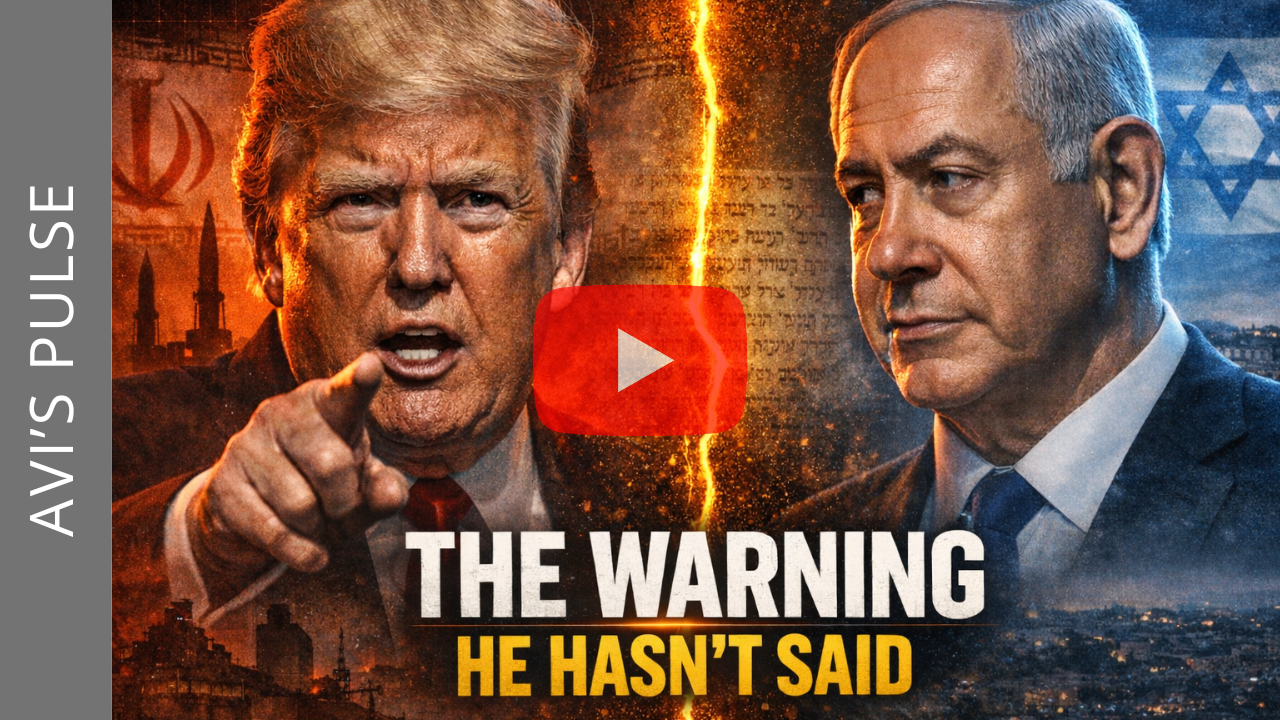
Israeli Prime Minister Benjamin Netanyahu has been unusually direct about what this moment means. “The Iranian people are not our enemies,” he said this week. “They are victims of a brutal regime that fears them.” That framing is deliberate. Israel is signaling it sees a regime under stress—not one confidently projecting power. Netanyahu added that “history shows regimes fall when they turn their weapons inward,” a warning Tehran understands all too well.
Then Donald Trump stepped back onto the stage with language designed to land directly in Tehran’s decision rooms. “If the Iranian regime kills its own people,” Trump said, “there will be consequences. We are watching very closely.” He later sharpened it: “The world will not ignore a massacre.”
That threat cuts both ways. It may deter a full-scale bloodbath. Or it may convince hardliners that they must end the unrest quickly—before international messaging emboldens the street. Regimes under siege do not choose moderation; they choose speed.
Stack the elements together and a pattern emerges. The protests test legitimacy. The Moscow rumor tests elite confidence. The missile exercises test loyalty. Trump’s threats test restraint. None of these are isolated. They are pressure points converging on the same fault line: whether the Islamic Republic can still rely on unquestioned obedience inside its coercive core.
Projection: if unrest continues, watch less for tanks in the streets and more for signs of coup-prevention. Quiet arrests of mid-level officers. Sudden reshuffles in the IRGC chain of command. Louder rhetoric about “traitors” and “foreign plots.” When regimes stop trusting their own, they turn inward fast.
Iran’s rulers know how to suppress protests. What they don’t know—yet—is whether their system still believes in itself.