Whatsapp
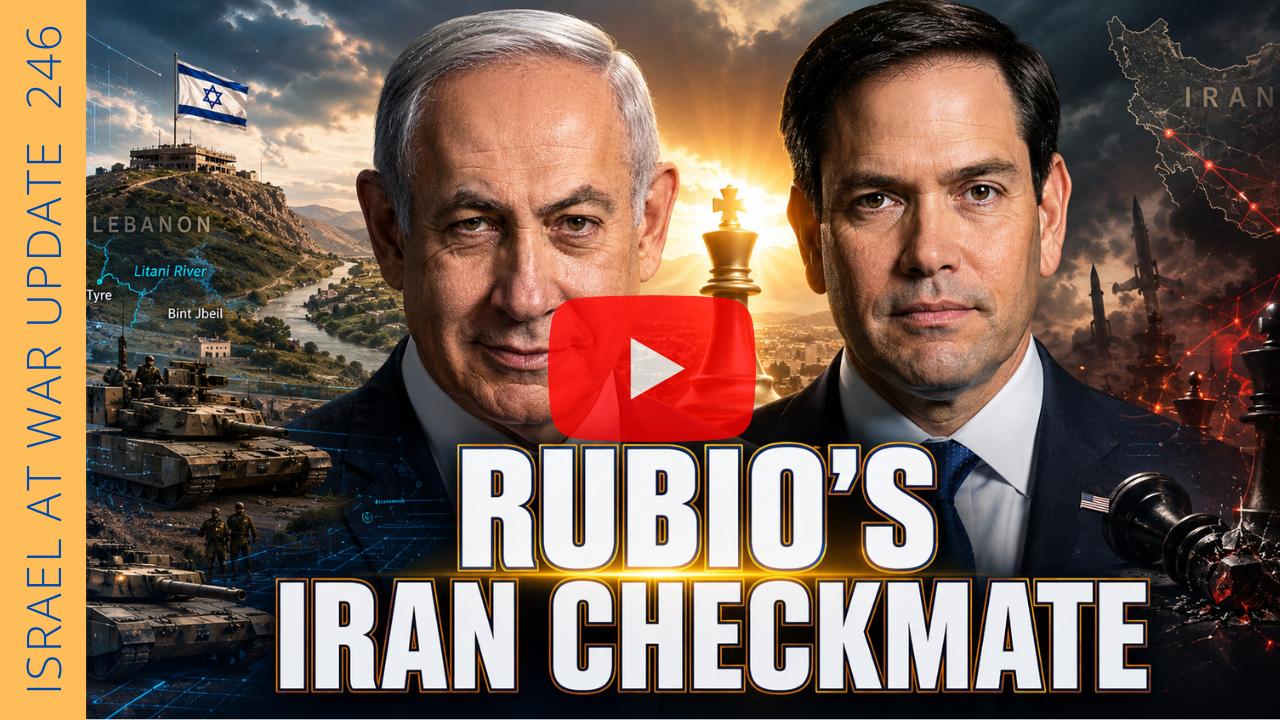
As tensions escalate between Washington and Tehran, President Donald Trump has issued a forceful rebuttal to media reports claiming that the Chairman of the Joint Chiefs of Staff opposes military action against Iran. Calling the reports “fake news,” Trump made clear that both civilian and military leadership remain aligned on one central point: war is not preferred — but if it comes, it will be decisive.
At the center of the controversy is General Daniel “Raizin” Caine, whom Trump describes as a “great warrior” fully prepared to win if ordered into action. According to the President, Caine understands Iran intimately, having overseen “Midnight Hammer,” a prior strike that allegedly crippled Iran’s nuclear development infrastructure — reportedly carried out by American B-2 bombers.
Trump’s message is not subtle:
He prefers a deal.
But absent a deal, the alternative will be overwhelming force.
The Strategic Context
For Israel and the broader region, this matters enormously.
Iran today is not simply a nuclear threshold state. It is the architect of a regional axis — arming and directing proxies across Lebanon, Syria, Iraq, and Yemen. Any U.S. move against Iran would not be isolated; it would ripple across every front.
Trump’s dismissal of “limited strikes” is particularly telling. Limited strikes signal deterrence. Decisive campaigns signal regime-level consequences.
From Jerusalem’s vantage point, ambiguity is dangerous. Clarity is stabilizing. Trump’s statement is an attempt to restore clarity: the decision rests with the Commander-in-Chief, not anonymous briefings.
The Diplomatic Clock
Trump emphasizes he prefers an agreement. That suggests negotiations are either underway or anticipated. But the tone also suggests impatience.
If Iran believes Washington lacks the will to act, escalation becomes more likely. If Tehran believes the President is serious — that a campaign would not be symbolic but structural — it may reconsider.
The President added a human dimension rarely heard in this confrontation: he described the Iranian people as “great and wonderful.” The message is strategic. The target is the regime, not the nation.
The Bottom Line
The signal from Washington is binary:
Deal — or decisive force.
For Israel, which lives within range of Iran’s proxies and missiles, this is not abstract geopolitics. It is strategic reality. The coming weeks will determine whether diplomacy holds — or whether the Middle East moves into a new and far more dangerous phase.
If Trump is serious — and history suggests he is — Tehran is being warned plainly:
The next move is yours.