Whatsapp
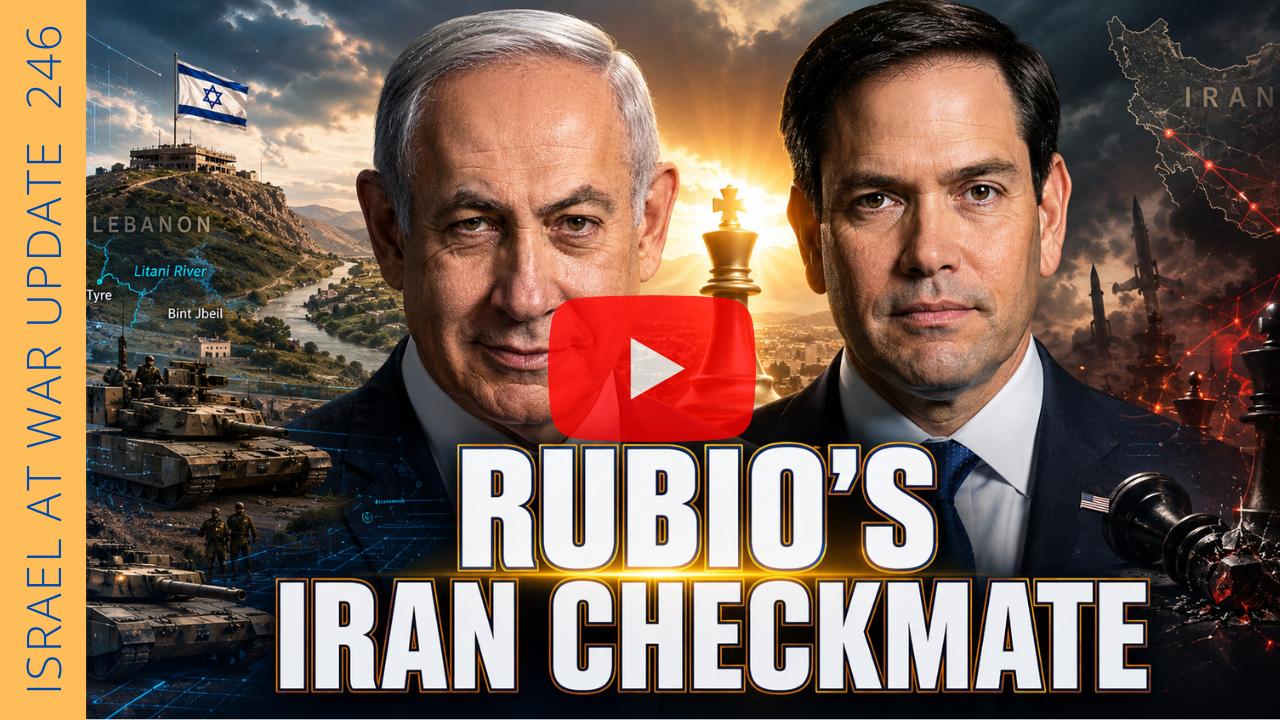
President Trump’s announcement that the memorandum of understanding with Iran is “over” marks a decisive shift back toward a strategy of military pressure backed by diplomatic leverage.
Speaking to reporters, Trump made it clear that the United States no longer considers itself bound by an agreement that Tehran has already violated. After Iranian attacks on international shipping and continued aggression in the Strait of Hormuz, Trump declared that American forces struck Iran “very hard” overnight and warned that even more powerful strikes could follow if necessary. At the same time, he left the door open for negotiations, emphasizing that diplomacy remains possible—but only after Iran understands the consequences of continued escalation.
This is a critical distinction.
Too many observers interpret negotiations and military action as mutually exclusive. President Trump appears to view them as complementary tools. Military power is not replacing diplomacy—it is establishing the conditions under which diplomacy can succeed.
The Iranian regime has repeatedly demonstrated that it interprets concessions as weakness. Every pause has been used to rebuild capabilities, rearm its proxies, or increase leverage. The lesson appears to have been absorbed in Washington: negotiations without credible force merely buy Tehran time.
The collapse of the memorandum should therefore be understood less as a diplomatic failure and more as recognition that agreements are meaningless if only one side intends to honor them.
Iran now faces a strategic dilemma.
It can continue escalating attacks against international shipping, American interests, and regional allies, knowing that the United States has signaled its willingness to respond militarily. Or it can return to negotiations from a significantly weaker position after absorbing additional military and economic pressure.
For Israel, this development reinforces a lesson learned repeatedly over the past year: deterrence is maintained through strength, not declarations. Israel has long argued that temporary understandings with the Islamic Republic cannot substitute for dismantling the regime’s ability to threaten the region through missiles, proxies, and its nuclear ambitions.
Trump’s latest remarks suggest Washington may once again be moving toward that same conclusion.
Whether additional strikes occur or negotiations resume, the central issue has not changed.
The objective is no longer simply reaching another agreement. The objective is ensuring that Iran no longer possesses the capability—or the confidence—to threaten regional stability, international commerce, or Israel’s security.
That is the real strategic battle now unfolding.