Whatsapp
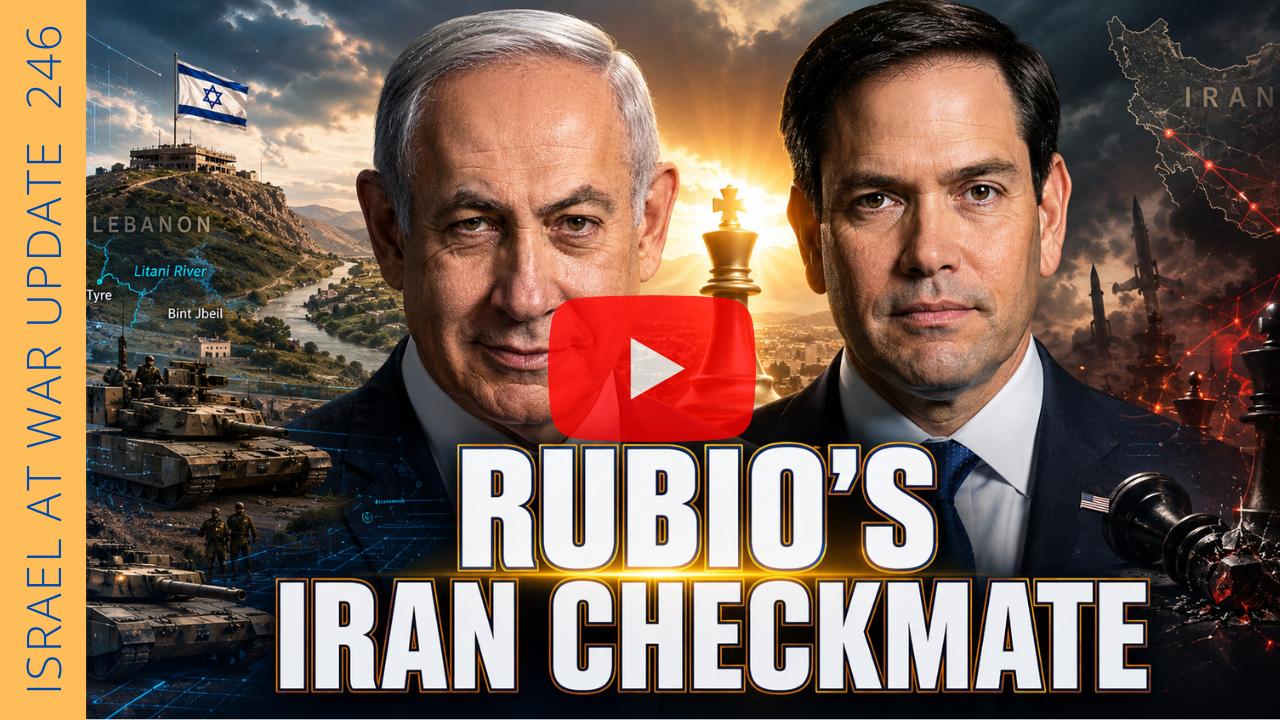
President Donald Trump issued a sharp warning to Iran this weekend, demanding that Tehran immediately restrain its Hezbollah proxy forces in Lebanon or face renewed American military action. Trump stated that if Iran fails to control what he described as its “highly paid proxies,” the United States would strike Iran again and do so “even harder” than in previous operations.
The warning comes as tensions continue to rise along Israel’s northern border, where Hezbollah has remained active despite ongoing diplomatic efforts aimed at stabilizing the region. Recent fighting in southern Lebanon has threatened to derail negotiations between Washington and Tehran, with Hezbollah’s attacks and Israel’s military responses becoming a central obstacle to any broader agreement.
Trump’s message reflects growing frustration within the administration over Iran’s continued use of proxy organizations to project power across the Middle East. While negotiations over Iran’s nuclear program and regional security issues continue, the White House appears unwilling to separate Hezbollah’s actions from Tehran’s responsibility. American officials have repeatedly argued that Hezbollah functions as a key instrument of Iranian influence and cannot be treated as an independent actor.
The president’s threat also signals that the United States is prepared to maintain military pressure even as diplomatic channels remain open. Vice President JD Vance is currently participating in talks with Iranian officials in Switzerland, but Hezbollah’s activities in Lebanon continue to cast a shadow over those discussions.
For Israel, the situation highlights the central strategic challenge that many critics have identified from the beginning: any agreement that leaves Hezbollah intact leaves Iran’s most powerful regional proxy in place. Hezbollah is not simply another terrorist organization. It serves as Iran’s primary military arm in Lebanon, controls significant political influence within the country, and remains armed for one purpose above all others: confronting Israel.
As long as Hezbollah retains its military capabilities and freedom of action in Lebanon, the risk of renewed conflict remains high, regardless of progress made at the negotiating table. The coming weeks may determine whether diplomatic efforts can survive continued escalation on Israel’s northern frontier.