Whatsapp
As President Trump pushes forward with a proposed agreement aimed at ending the current confrontation with Iran, a significant warning has reportedly emerged from within his own national security team.
According to multiple reports, CIA Director John Ratcliffe has briefed President Trump and senior administration officials that U.S. intelligence assessments raise serious doubts about whether the Islamic Republic actually intends to fulfill the nuclear commitments it is publicly discussing.
The warning exposes what may be the central strategic dilemma facing Washington.
The issue is not whether an agreement can be signed.
The issue is whether the Iranian regime has fundamentally changed its objectives.
History suggests otherwise.
For more than four decades, the Islamic Republic has demonstrated remarkable consistency in pursuing regional expansion, supporting proxy forces across the Middle East, and advancing its nuclear capabilities while simultaneously engaging in negotiations designed to reduce international pressure.
From a strategic perspective, intelligence professionals are paid to evaluate intentions rather than rhetoric. If Ratcliffe’s reported assessment is accurate, then the concern inside the administration is not simply about technical details of enrichment levels or inspection mechanisms. The concern is that Tehran may view the agreement as a tactical pause rather than a strategic surrender.
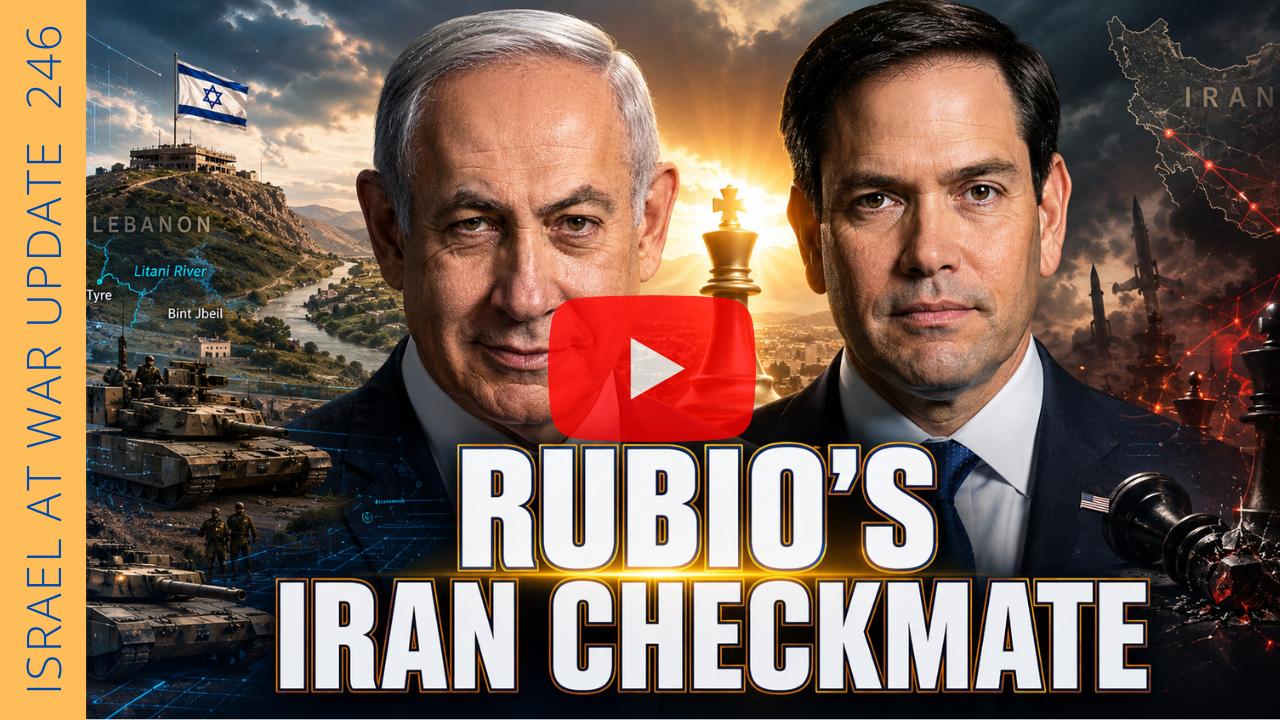
Reports indicate that Secretary of State Marco Rubio and Defense Secretary Pete Hegseth have also expressed reservations regarding Iranian compliance, while Vice President JD Vance and other senior advisers have reportedly argued that the agreement offers the best available path toward de-escalation.
President Trump now finds himself confronting the same challenge that has frustrated multiple American administrations.
Every negotiation with Iran ultimately comes down to a single question:
Can the regime be trusted to honor commitments once sanctions pressure is reduced and military pressure subsides?
Supporters of the emerging agreement argue that diplomacy offers an opportunity to prevent further conflict while reopening critical international trade routes and reducing regional instability. Critics counter that Tehran has repeatedly used negotiations to buy time, regroup, and preserve strategic assets.
For Israel, the debate extends far beyond diplomacy.
Israeli security planners have spent decades studying Iranian strategy. Their concern has never been merely about enrichment percentages or inspection regimes. Their concern has always been that the Islamic Republic views every agreement through the lens of a long-term ideological struggle that does not disappear because diplomats sign documents in Geneva or Switzerland.
That is why Ratcliffe’s reported warning matters.
It reflects a broader concern that continues to shape the strategic calculations of Jerusalem, Washington, and many Sunni Arab states across the region.
The coming weeks will determine whether this agreement becomes a genuine turning point in Middle Eastern history or simply another chapter in a much longer contest between Western negotiators seeking stability and a revolutionary regime seeking patience, leverage, and time.
As always in the Middle East, intentions matter more than signatures.