Whatsapp
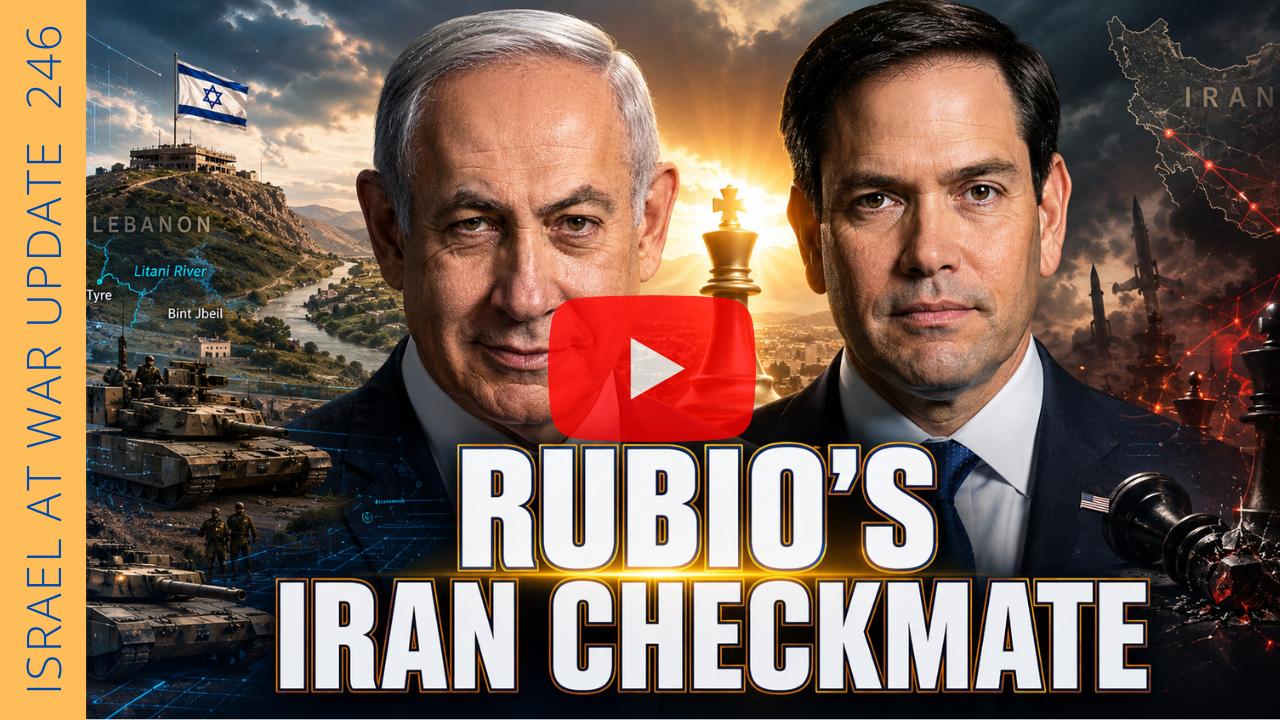
Israeli Prime Minister Benjamin Netanyahu met with U.S. President Donald Trump at the White House on Tuesday for what is being described as one of the most consequential meetings between the two leaders since the latest phase of the confrontation with Iran began. At the center of their discussions was Iran’s advancing nuclear program and Israel’s growing concern that any future diplomatic agreement may fail to eliminate the regime’s ability to develop nuclear weapons.
According to reports, Netanyahu arrived prepared to present Trump with newly gathered intelligence indicating that Iran has continued sensitive nuclear activity at the so-called “Pickaxe Mountain” facility near Natanz. Israeli intelligence reportedly believes the underground site has received advanced centrifuges and may be playing an increasingly important role in Tehran’s nuclear efforts despite previous military strikes and international pressure.
The high-level meeting included many of the most senior national security officials from both governments. Joining Trump were Vice President JD Vance, Secretary of State Marco Rubio, Secretary of Defense Pete Hegseth, CIA Director John Ratcliffe, and Special Envoy Steve Witkoff. Netanyahu was accompanied by Israel’s military secretary, National Security Council leadership, and Ambassador Yechiel Leiter.
Before the meeting, Trump appeared confident that the United States already possessed extensive intelligence on the Iranian nuclear program. Asked whether Netanyahu had briefed him about the Pickaxe Mountain facility, Trump replied that he did not need the Israeli leader to tell him what was happening because the United States already knew. He also emphasized that while the U.S. retains the military capability to rapidly destroy key Iranian infrastructure, including bridges and power stations, he would prefer to avoid further military action if diplomacy can succeed.
Trump also revealed that Iran is seeking renewed talks with Washington, saying there remains “a possibility we’ll do a deal.” However, Israel continues to insist that any agreement must permanently eliminate Iran’s pathway to nuclear weapons rather than simply delay it.
No joint press conference was scheduled following the meeting, suggesting the discussions focused on sensitive intelligence and strategic planning rather than public diplomacy. As negotiations with Iran remain uncertain, the White House meeting underscored the close coordination between Washington and Jerusalem while highlighting continuing differences over whether diplomacy alone can prevent Iran from becoming a nuclear power.