Whatsapp
As the echoes of Vatican bells fade over Beirut’s battered skyline, Pope Leo XIV’s Alitalia flight sliced through the crisp afternoon air at 1:15 p.m. local time, carrying the pontiff back to Rome after a three-day pilgrimage that briefly illuminated Lebanon’s fractured mosaic. In a final address to 150,000 congregants along the waterfront—many clutching olive branches as symbols of fleeting hope amid the rubble—the American-born pope implored Middle Eastern leaders to “reject the horror of war” and heed the “cry of the innocent.” His words, delivered under a punishing Mediterranean sun, evoked the biblical cedars of Lebanon as emblems of resilience, yet from the vantage of Israel’s northern command posts, they rang with a poignant irony. The Pope’s visit, while a noble call for fraternity, inadvertently provided cover for Hezbollah’s insidious rearmament in the shadows of the south—a terrorist proxy that has held the Galilee hostage for far too long. As his plane vanished westward, Israeli Hermes 900 drones resumed their vigilant patrols over Tyre, Nabatieh, and Bint Jbeil, their low hum a stark counterpoint to the papal hymns: a reminder that true security in this land demands not just prayers, but precision strikes and unblinking resolve.
From the war rooms of Tel Aviv, Leo’s apostolic journey—his first abroad since May’s election—represented a momentary diplomatic interlude in a theater of perpetual peril. The pontiff’s itinerary, wisely confined to safer northern enclaves like the Monastery of Saint Maroun in Annaya and the Shrine of Our Lady of Lebanon in Harissa, skirted the volatile south where Hezbollah’s tendrils persist despite the November 2024 U.S.-brokered ceasefire. He laid wreaths at the 2020 Beirut port crater, a scar of 218 souls lost to corruption, and embraced the afflicted at De La Croix Hospital, affirming their divine dignity. Even Hezbollah, that Iranian-financed scourge, issued a perfunctory letter of “gratitude” for his human rights advocacy, while hypocritically condemning Israel’s defensive actions in Gaza and Lebanon as “aggressions.” For a heartbeat, Lebanon’s sects—Christians, Muslims, Druze—gathered in Martyrs’ Square, once the green line of civil war infamy, blending bells with the adhan in a chorus Leo hailed as a “soaring hymn.” President Joseph Aoun, the Maronite stalwart elected after years of paralysis, invoked a rainbow over Beirut as heaven’s endorsement of renewal. Yet Israelis, nursing the wounds of 8,000 Hezbollah rockets that displaced 60,000 from their homes in the north, saw through the spectacle: a tactical timeout exploited by the Radwan Force to smuggle Fateh-110 missiles via Syria’s reopened conduits, flouting UN Resolution 1701 and the ceasefire’s ironclad demands.
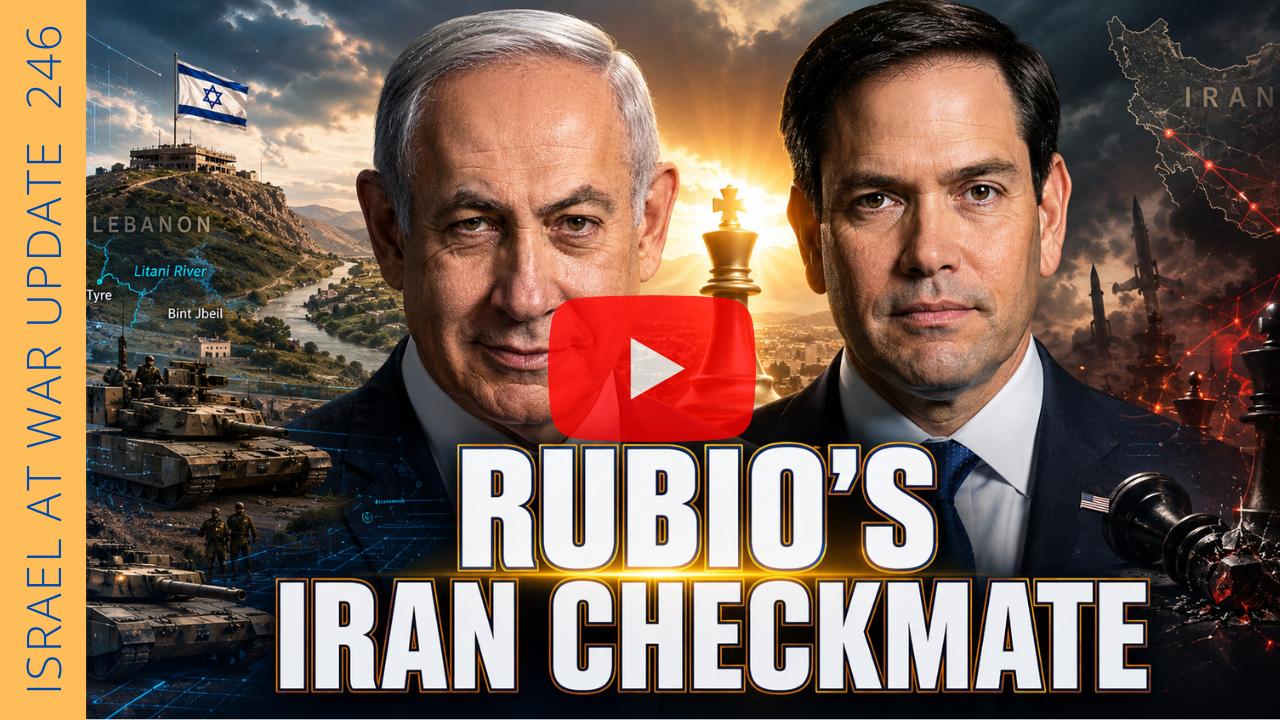
With the Pope’s benediction receding like morning mist over the Litani River, the drones’ shadows lengthened—a symphony of Israel’s “escalatory containment” strategy, honed to neutralize threats without igniting all-out war. Over the past year, these unmanned guardians have facilitated more than 1,000 precision operations, eliminating 370 Hezbollah operatives, including the Radwan Unit’s elite (46 confirmed kills, comprising 21% of post-ceasefire eliminations), and crippling smuggling networks that once flooded the south with Tehran’s precision-guided munitions. In November alone, strikes surged amid reports of explosive drone factories north of the Litani—Hezbollah’s pivot from rockets to aerial proxies, a brazen reconstitution that Prime Minister Benjamin Netanyahu branded “an existential red line.” Defense Minister Israel Katz, echoing Knesset consensus, vowed “maximum enforcement” should Beirut’s Lebanese Armed Forces (LAF)—flush with $3 billion in U.S. aid yet hamstrung by domestic fears—fail to enforce disarmament. “We honor the ceasefire,” an IDF spokesperson reiterated from Northern Command, “but Israel’s children will not live under the sword of Nasrallah’s heirs.”
Through Israel’s unflinching prism, the math is mercilessly clear. The 2024 campaign—ignited by Hezbollah’s October 8 solidarity barrages with Hamas—shattered the group: 3,800 fighters felled, command echelons decapitated (culminating in Hassan Nasrallah’s September demise), and infrastructure pulverized across the Bekaa and Dahiyeh. Yet intelligence from Unit 8200 paints a resurgence: tunnels repurposed as arms bunkers, Iranian supply lines resilient post-Assad’s fall, and a defiant squat south of the Litani, where LAF’s five-phase disarmament stalls at intrusive searches, lest Shiite backlash unravel Aoun’s fragile coalition. U.S. envoys, from Tom Barrack to Senator Lindsey Graham, have lambasted Lebanese inaction as “feeble,” greenlighting Israel’s preemptive posture while pressuring Baghdad to stem militia flows eastward. Last week’s audacious strike on Hezbollah’s chief of staff, Haytham Ali Tabatabai, in Beirut’s Dahiyeh—a first in months—underscored the message: no sanctuary for rebuilders.
Post-papal, Jerusalem’s strategists anticipate a calibrated intensification: airstrikes potentially tripling in volume, extending to Bekaa depots and even Beirut’s fringes, all while the IDF’s Iron Beam laser system achieves initial operational capability on December 30. This high-energy marvel, over a decade in gestation, will vaporize drone swarms at pennies per shot—a game-changer already battle-tested in downing Hezbollah UAVs during the war. Israel’s doctrine of preemption, forged in the fires of 2006 when 4,000 Katyushas turned the north into a ghostland, brooks no illusions: Hezbollah’s “resistance” is not defense, but aggression by proxy, holding Lebanon in thrall and the Galilee in peril.
Lebanese voices decry this as “occupation,” but from Metula’s fortified bunkers—where 1.2 million Israelis once huddled in shelters—it’s survival. The ceasefire’s Washington architects, exasperated by LAF dithering, affirm Israel’s hand; even as Jared Kushner’s Abraham Accords beckon with Gulf billions for reconstruction, Hezbollah’s veto, fueled by Tehran’s entropy, sabotages the horizon.
As twilight cloaks the border’s barbed wire, where UNIFIL treads minefields of mutual suspicion, one truth endures from Israel’s eternal vigil: Hezbollah’s resurgence is not rhetoric, but rockets in waiting. The Pope’s rainbow may arch over Beirut, but in the Galilee’s groves, security is forged in steel and vigilance—not vows. Restraint is our grace; resolve, our shield. The drones circle on.