Whatsapp
THE DEADLINE THAT CHANGES THE CALCULUS
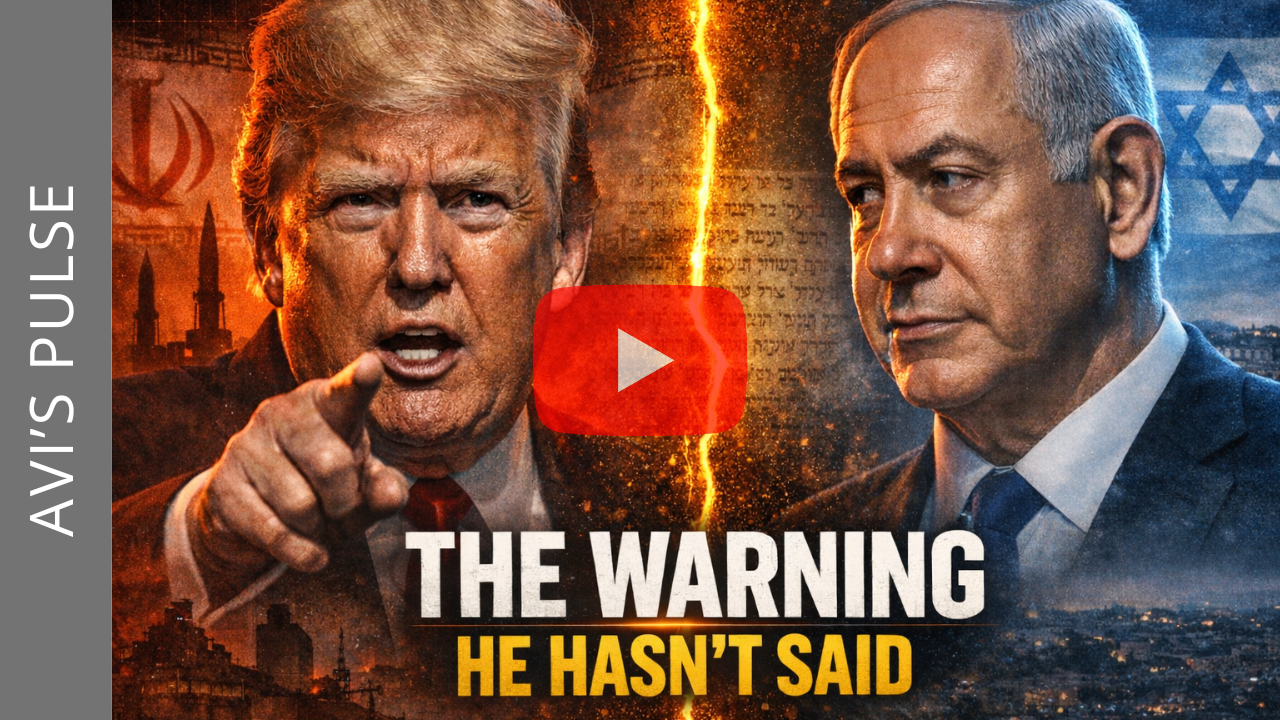
In a series of unusually blunt interviews, Donald Trump has drawn a hard line around the crisis unfolding in the Strait of Hormuz—and, in doing so, fundamentally reshaped the timeline.
Gone is the language of prolonged negotiation. In its place: a compressed window measured in days, not weeks.
Trump’s message was not wrapped in diplomatic ambiguity. If Iran moves toward an agreement and ensures the free flow of shipping, the crisis can dissipate quickly. If not, the consequences will not be incremental—they will be systemic.
He outlined them with unusual specificity: power stations eliminated, bridges destroyed, core infrastructure dismantled. Not symbolic retaliation, but the kind of sustained damage that would take decades to rebuild—if reconstruction is even possible under the circumstances he described.
FROM DETERRENCE TO DISMANTLING
There is a noticeable shift in the structure of the threat itself.
Traditionally, escalation between Washington and Tehran has followed a familiar pattern—limited strikes, calibrated responses, and room for both sides to step back. What Trump is signaling here is something different: a move beyond deterrence into the realm of state-level degradation.
By naming infrastructure as the target, the focus shifts from punishing behavior to disabling capacity. Power grids and transportation networks are not battlefield assets—they are the backbone of national function. Removing them is not a warning shot. It is a blueprint for paralysis.
This is not about sending a message. It is about forcing a decision.
THE STRAIT AS THE TRIGGER POINT
At the center of this confrontation is the Strait of Hormuz—a narrow passage with outsized global consequences.
A significant portion of the world’s oil supply flows through this corridor. Even limited disruption sends immediate shockwaves through energy markets, insurance rates, and shipping routes. A full blockade would not just raise prices—it would destabilize entire economies.
That reality is what elevates this from a regional standoff to a strategic flashpoint.
Trump’s framing makes clear that any move by Iran to obstruct the strait will not be treated as harassment or pressure—it will be treated as a direct challenge requiring decisive response.
A CLOCK DESIGNED TO FORCE CHOICE
What stands out most is not just the severity of the warning, but the timeline attached to it.
Deadlines in diplomacy are often flexible. This one is not presented that way.
By anchoring consequences to a specific moment—Tuesday evening—Trump is collapsing the space in which Iran can maneuver. The usual tools of delay, ambiguity, and gradual escalation become harder to use when the clock is this visible.
It creates a strategic imbalance. Washington holds the initiative, while Tehran is forced into a reactive posture, weighing whether to concede, stall, or test the threat.
And that decision now has to be made under pressure, not over time.
THE MOMENT BEFORE THE BREAK
This is the phase where rhetoric and reality begin to converge.
If Iran signals even partial movement, the immediate crisis could ease, at least temporarily. Not because the underlying tensions are resolved, but because both sides would have found a way to step back without crossing the threshold.
But if the deadline passes without movement, the structure of Trump’s warning leaves little room for symbolic action. The logic of his position points toward something broader—coordinated strikes designed not just to punish, but to fundamentally degrade.
That is the shift underway. Not escalation for its own sake, but escalation with a defined end state.
THE STRATEGIC QUESTION
The uncertainty now is not in Washington. The message there is clear.
The uncertainty is in Tehran.
Does the leadership view this as another round of pressure—loud, but ultimately containable? Or do they read it as something different: a credible signal that the cost of defiance has crossed into territory that cannot be absorbed?
Because if the latter is true, then the decision ahead is not about leverage.
It is about survival.