Whatsapp
Amid nationwide protests exposing a regime losing control, one truth stands out: the Islamic Republic’s violence is no longer an internal affair.
As the global order shakes, Iran’s clerical regime looks less like a pillar than a relic. The ayatollahs still posture, but the streets tell a different story: an uprising that spans classes, ages and professions, demanding not bread alone but freedom—while chanting “death to Khamenei,” Iran’s supreme leader.
What changed this week is not only the scale of unrest but the regime’s violent response. When armed units fired tear gas—and reportedly live fire—inside a hospital treating the wounded in Ilam, the line separating repression from provocation was crossed.
Even Tehran appeared rattled: Iran’s President Masoud Pezeshkian announced an investigation. Gas stations burned in the capital. The state’s narrative hardened—protesters versus “rebels,” foreign infiltrators, the usual incantation of “Mossad” and “Zionists”—alongside thin promises of economic relief the regime cannot deliver.
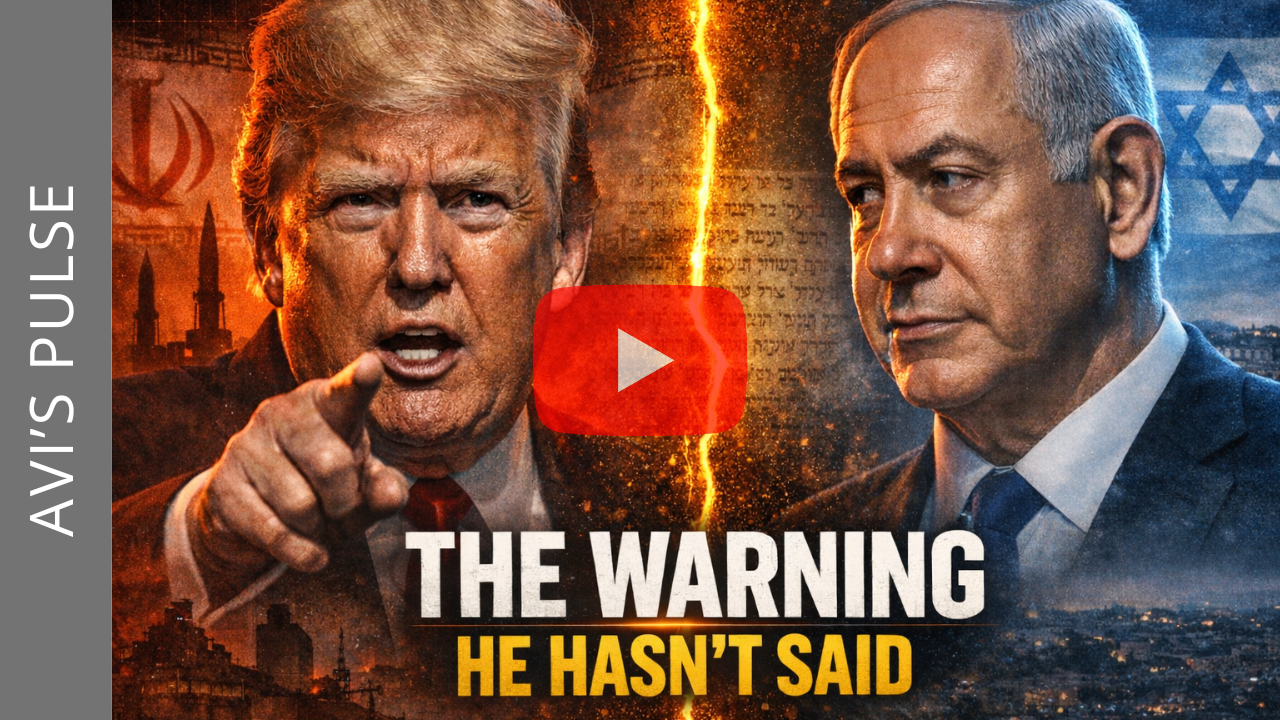
This is precisely the scenario U.S. President Donald Trump has warned about: mass violence against civilians. The jibes about “TACO” politics fall flat here. When nuclear deadlines were ignored, the response was swift—the 12-day war conducted alongside Israel. Iran knows this history.
Now the dilemmas multiply. Inside Washington, envoys urge talks; regional partners encourage de-escalation. But a thicker file sits on the table—compiled with Israeli Prime Minister Benjamin Netanyahu—detailing a single design that binds Iran’s weapons programs to Venezuelan trafficking, Russian and Chinese backing, and drug routes that bankroll global terror. The targets are clear: first Israel, then the U.S.
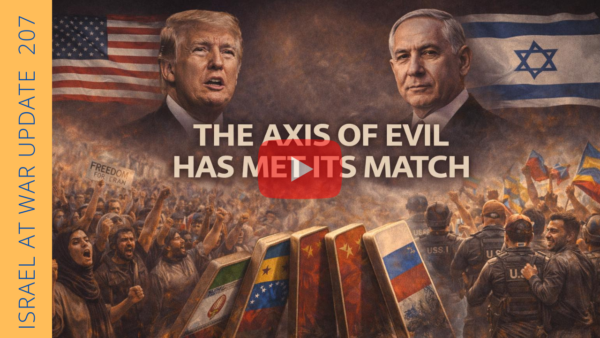
Israel’s stance is public and restrained. Netanyahu has spoken of solidarity with Iranians in the streets and the hope that they reclaim their destiny. Privately, the question is unavoidable: is this a rare chance to confront—once and for all—the regime that sponsors Hamas and Hezbollah? On the other side, Tehran weighs a dark gamble of its own: striking Israel to rally a frightened public around war.
The margins for error are razor-thin. Moscow whispers caution; an Iranian collapse would cut into energy leverage and drone supply lines for Ukraine. Beijing watches its interests. Jerusalem lies low.
One truth stands out: the regime’s violence is no longer an internal affair. When hospitals become battlegrounds, legitimacy drains away. Whether the ayatollahs fall now or stagger on, the moment of truth has arrived.
And if history’s bitter irony is to be completed, one can imagine tomorrow’s exiles sharing cold breakfasts in Moscow—proof that totalitarian projects, however loud their threats, eventually run out of ground.