Whatsapp
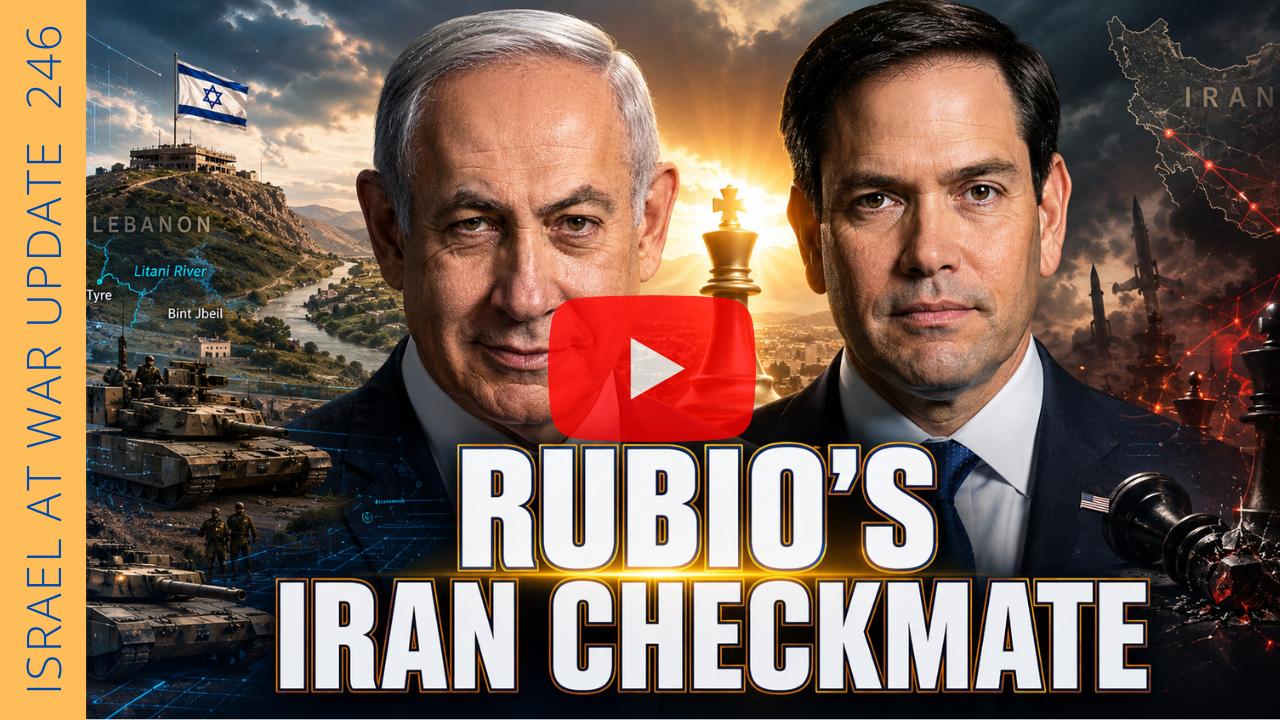
The Trump administration is reportedly considering a series of significant concessions to Iran as negotiations over a comprehensive peace agreement enter their final stages.
Among the measures under discussion are the immediate lifting of the naval blockade on Iranian shipping and the easing of restrictions affecting maritime traffic through the strategically critical Strait of Hormuz. The proposed steps are intended to pave the way for a broader agreement designed to end months of military confrontation and restore stability to the region.
Adding to growing expectations of a diplomatic breakthrough, Pakistani Prime Minister Shehbaz Sharif announced that a permanent peace agreement between the United States and Iran has been reached, declaring an immediate and lasting halt to military operations on all fronts, including Lebanon. Sharif further stated that a formal signing ceremony is expected to take place in Switzerland on June 19.
However, despite Sharif’s confident declaration, questions remain about whether all outstanding issues have been fully resolved. Iranian officials have signaled that negotiations are closer than ever to completion, but public statements from both Tehran and Washington suggest that final details may still be under discussion.
The reported framework would mark one of the most consequential diplomatic developments in the Middle East in decades. In addition to reopening the Strait of Hormuz, the agreement is expected to address sanctions relief, regional security arrangements, and the future of Iran’s nuclear program.
For Israel, the implications are profound. Jerusalem has consistently maintained that any agreement must permanently block Iran’s path to nuclear weapons and prevent Tehran from rebuilding its network of regional proxy forces. Israeli officials are expected to scrutinize every aspect of the emerging deal before determining whether it enhances regional security or merely postpones a future confrontation.
With Switzerland preparing to host a potential signing ceremony and mediators expressing unprecedented optimism, the coming days could determine whether the Middle East is on the verge of a historic diplomatic breakthrough—or whether the final obstacles remain too great to overcome.