Whatsapp
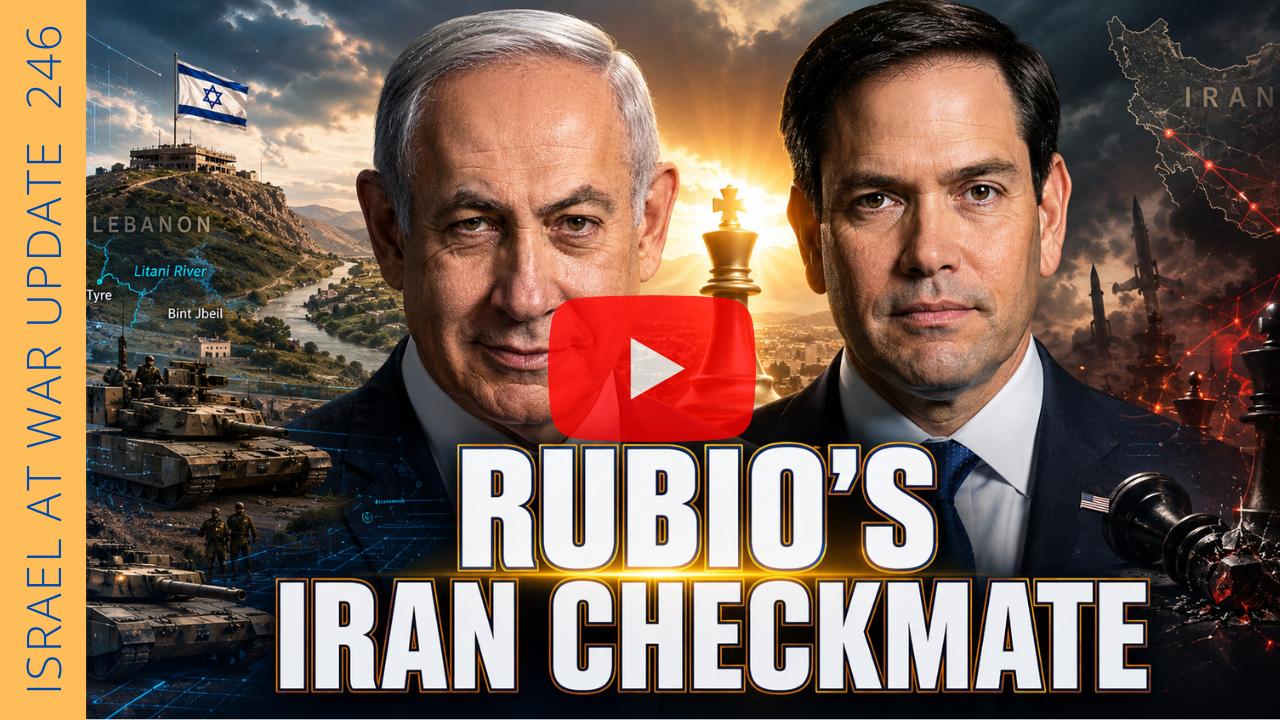
President Donald Trump stood before the United Nations and presented Iran with what may be the clearest choice the Islamic Republic has faced since the revolution of 1979.
Make a deal — or face the possibility of overwhelming American military action.
Trump used his address to the UN General Assembly to reiterate a position he has maintained for years: Iran will not be permitted to obtain a nuclear weapon. He said his administration had offered Tehran economic cooperation in exchange for abandoning its nuclear ambitions and support for terrorism, but Iran refused.
Now the strategic environment has changed dramatically.
Trump pointed to previous American military action against Iran’s nuclear infrastructure and argued that Washington had moved beyond simply issuing warnings. He also warned that Iran’s ballistic missile program had developed the potential to threaten Europe, making Tehran’s military buildup a problem far beyond Israel and the Middle East.
But the most important part of the speech was what came next.
Trump said he now faces a “big decision.”
One path would allow Iran to make an agreement, rebuild its economy and potentially become a prosperous country.
The other could mean devastating American military action against the Islamic Republic.
That is deterrence in its most basic form: give your enemy an exit, while making the alternative unmistakably costly.
For Israel, the significance is enormous.
For decades, Western governments treated Iran as a problem to be managed. Sanctions were imposed, negotiations were opened, agreements were signed, restrictions expired and Tehran continued building missiles, supporting terrorist organizations and pursuing capabilities that Israel regarded as an existential threat.
Trump is presenting a different framework.
Iran does not get to negotiate indefinitely while rebuilding the capabilities that created the crisis.
His message also connected Iran directly to October 7, noting Tehran’s support for terrorist organizations and the Iranian leadership’s celebration of the massacre.
Trump additionally called upon other nations to economically isolate Iran until it ends attacks on commercial shipping, abandons its nuclear ambitions and stops supporting terrorism.
Iran therefore faces more than another diplomatic deadline.
It faces a strategic choice.
The question now is whether Tehran believes Trump is prepared to carry out the threat he delivered from the podium of the United Nations.
Because deterrence ultimately depends on one thing:
Whether your enemy believes you.