Whatsapp
The Israeli government has placed senior ministers on heightened readiness, instructing them to remain available and avoid travel or extended absences in the coming days. The directive reflects mounting concern in Jerusalem that escalating unrest inside Iran could rapidly spill over into the wider region, triggering retaliation through Tehran’s network of allied militias.
Israeli security assessments now point to what officials describe as a tangible possibility of regime collapse in Iran if protests continue to intensify. Iranian opposition channels claim that fatalities linked to the unrest have surpassed 5,000, a figure that cannot be independently verified but is being treated by Israeli analysts as a signal of both scale and severity. The persistence of demonstrations, coupled with reports of strain within Iran’s security forces, has sharpened Israeli vigilance.
U.S. posture is emerging as a key variable. According to Israeli military assessments cited in Israeli media, Washington may delay any direct military strike on Iran while evaluating whether the regime can suppress the protests internally. The Wall Street Journal reported that Donald Trump is expected to receive a comprehensive briefing on possible courses of action, including economic and technological measures, with the next two days viewed as critical for Tehran’s attempts to regain control.
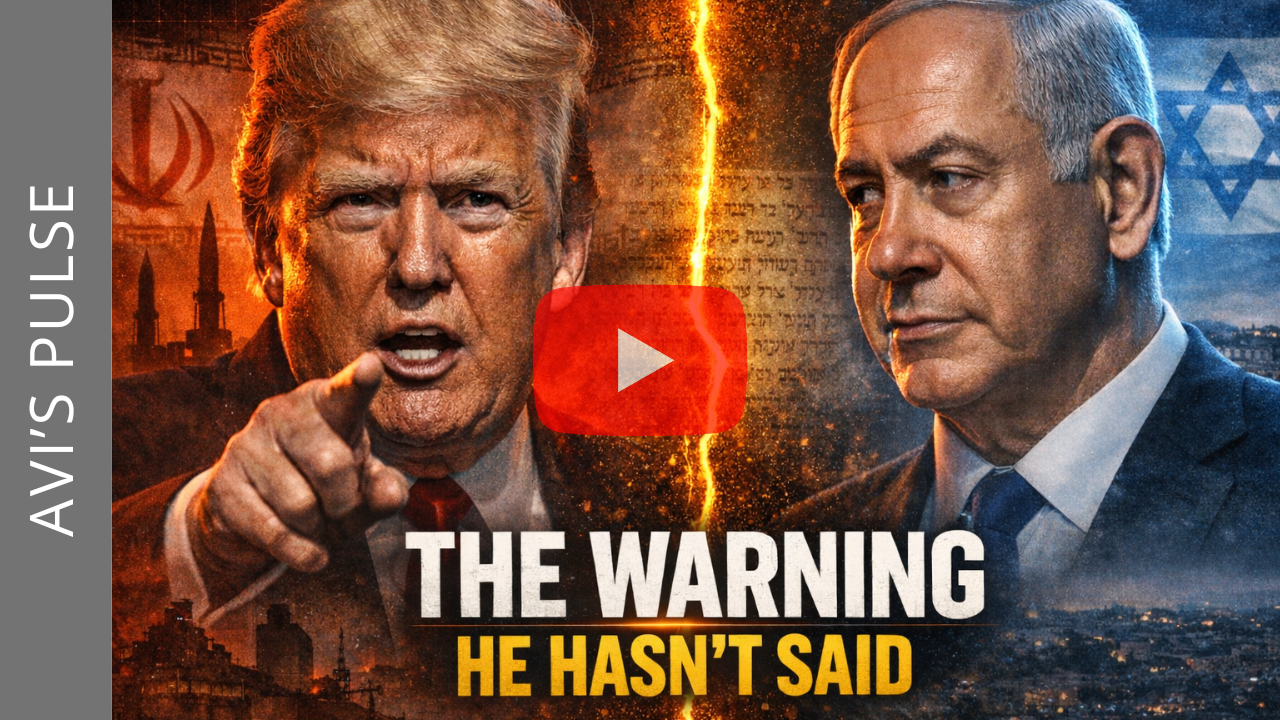
Trump himself has issued unusually blunt public warnings in recent days. In one social media post, he wrote that if Iran “violently kills peaceful protesters,” the United States is “locked and loaded and ready to go.” In another message addressed directly to the Iranian public, Trump declared, “Iran wants freedom, perhaps like it has never seen before. The U.S. is ready to assist.” In separate remarks, he reiterated that the U.S. is prepared to attack Iran if American interests or allies are threatened, stressing that “all options remain on the table.”
U.S. Senator Lindsey Graham reinforced the sense of escalation with a stark warning. “If I were you, Mr. President, I would kill the leadership that is murdering the people,” Graham said, arguing that decisive action could lead to the elimination of Hamas and Hezbollah and open the door to peace between Israel and Saudi Arabia.
Meanwhile, Iranian opposition figure Reza Pahlavi framed the protests as a historic turning point. “This is an opportunity to free the people,” he said in a recent interview, adding that a post-regime Iran seeks good relations “with Israel, with our Arab neighbors, and with the entire world.”
As Israeli readiness increases and Washington weighs its next moves, regional actors are bracing for outcomes that could redefine the Middle East’s strategic balance.