Whatsapp
Israel reportedly prepared a massive new offensive against Iran, only to have President Trump intervene. But the real question is not whether the attack was postponed. It is whether Washington and Jerusalem are preparing to finish what they started.
A new report from the Financial Times suggests that Israel was much closer to launching another major military offensive against Iran than previously understood.
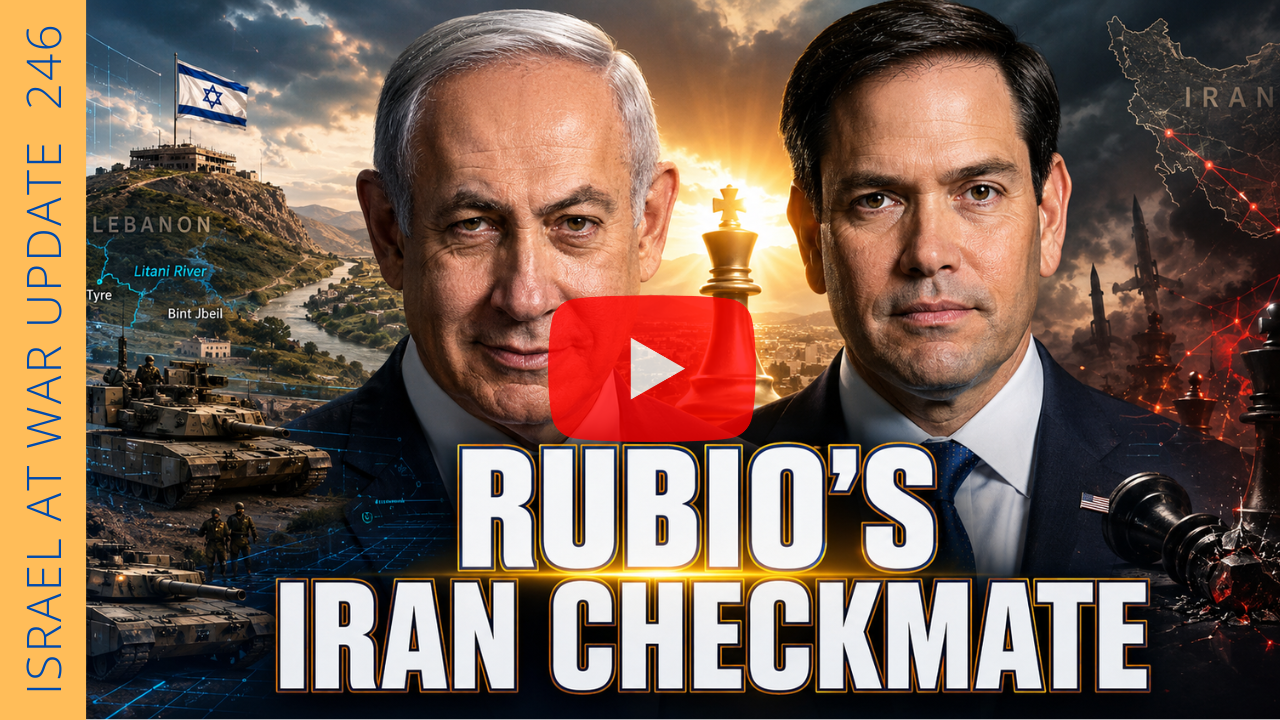
According to three sources familiar with the planning, Prime Minister Benjamin Netanyahu instructed the IDF to prepare for a multi-day bombing campaign beginning around October 10. The operation reportedly would have targeted Iranian nuclear facilities, regime infrastructure, and strategic assets, potentially exceeding the scale of the joint American-Israeli offensive launched in February.
But the operation never happened.
The reason, according to the report, was President Donald Trump. With American midterm elections approaching on November 3, Trump reportedly opposed reopening a major military campaign that could destabilize energy markets and create additional economic uncertainty.
Yet interpreting this development as a fundamental disagreement between Netanyahu and Trump would be a mistake.
The disagreement appears to be about timing, not necessarily the ultimate objective.
Trump understands that Iran remains a strategic threat. Netanyahu understands that allowing Tehran to rebuild its military capabilities and preserve its nuclear ambitions would undermine the achievements of the previous offensive.
The question is whether diplomacy, economic pressure, and the American naval blockade can force Tehran to accept conditions it has repeatedly resisted.
The reported visit of US Defense Secretary Pete Hegseth to Israel this week is particularly significant. Israeli officials reportedly presented updated Iranian targets based on intelligence gathered since the previous campaign. That suggests military planning has continued even while diplomatic efforts remain underway.
There is another important dimension to this story.
Israel is heading into national elections on October 27, while the United States votes just one week later. The IDF has already raised its readiness and canceled soldiers’ leave to prepare for potential security threats.
Iran understands this political calendar as well as Washington and Jerusalem do.
Tehran may calculate that the coming elections provide an opportunity to buy time, rebuild capabilities, and wait for political uncertainty to weaken the resolve of its adversaries.
That would be a dangerous miscalculation.
Israel cannot allow its long-term national security requirements to become permanently dependent on the American electoral calendar. Strategic coordination with Washington is essential, but Israel must preserve the ability to act when its security demands it.
At the same time, military action must have a clearly defined strategic objective. Destroying additional targets is not enough if Iran retains the capacity to regenerate the same threats within months or years.
The objective must be to prevent the Iranian regime from reconstituting the military and nuclear capabilities that threaten Israel.
For now, the reported October operation remains unconfirmed. The Prime Minister’s Office has not publicly substantiated the account, and the IDF declined to comment. Previous reports about Netanyahu seeking a pre-election war were disputed by both Israeli and American officials.
Nevertheless, the public messages coming from Trump and Netanyahu indicate that military action remains a serious possibility.
The critical question is what happens after the elections.
If negotiations fail, Tehran refuses meaningful restrictions, and Iran continues rebuilding its strategic capabilities, the pressure for another military confrontation will grow.
Trump may have delayed an Israeli strike. That does not mean he has abandoned the possibility of renewed military action.
And Netanyahu may have accepted the delay without accepting that the campaign against Iran is finished.
The next phase of the confrontation with Iran may already be taking shape. The only uncertainty is when the political and military conditions will align.