Whatsapp
As unrest inside Iran deepens, the question in Washington, Jerusalem, and Tehran is no longer whether the regime is under pressure—but whether Donald Trump is prepared to translate pressure into force.
Over the past days, Iran has entered what opposition sources describe as an undeclared state of martial law. New protests have erupted in Marvdasht and Kuhdasht, led by families of those killed by the regime. Security forces—including the IRGC and Basij, reinforced by foreign militias—are blanketing cities, while commercial strikes and nighttime protest chants continue nationwide. Death sentences are reportedly being handed down without due process, and even blood donations have been restricted amid shortages.
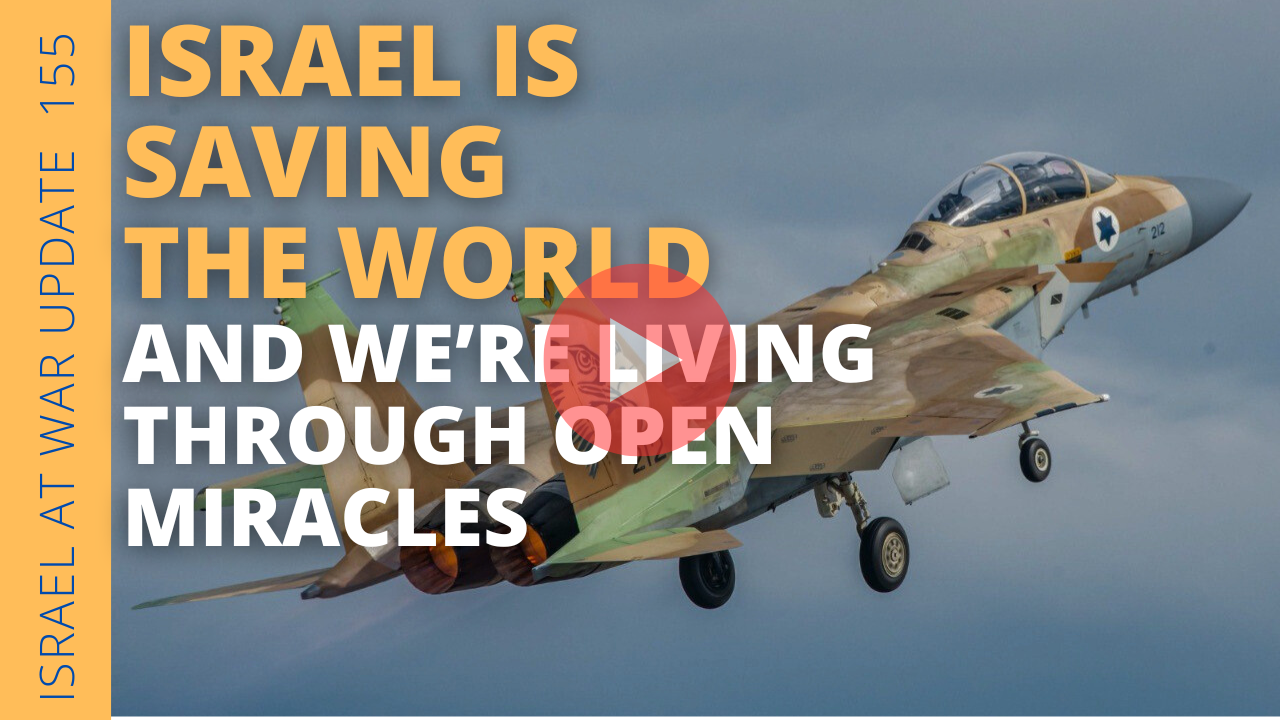
Against this backdrop, nightly overflights by the Israeli Air Force have taken place, according to regional reporting and military tracking. These flights are widely understood not as routine training, but as signaling—a visible reminder that Israel is postured for rapid action should a U.S. strike order come down, or should Iran miscalculate. Jerusalem appears intent on ensuring that any Trump decision is backed by credible regional readiness.
From Washington’s side, Trump’s posture remains deliberately ambiguous. Military options are on the table, assets are positioned, and warnings have been issued. At the same time, there is no signed strike order. Gulf states and other regional actors continue pressing for restraint, warning that direct U.S. action could ignite a broader war—while Trump’s advisers weigh the risks of escalation against the opportunity created by Iran’s internal weakness.
The overflights matter because they compress timelines. They tell Tehran that a Trump strike would not occur in isolation—and they tell Washington that Israel is prepared to move in parallel or immediately after.
Bottom line: a U.S. attack is not inevitable, but the system is primed. If repression intensifies, executions accelerate, or Iran targets U.S. or Israeli interests, the current holding pattern could break fast.