
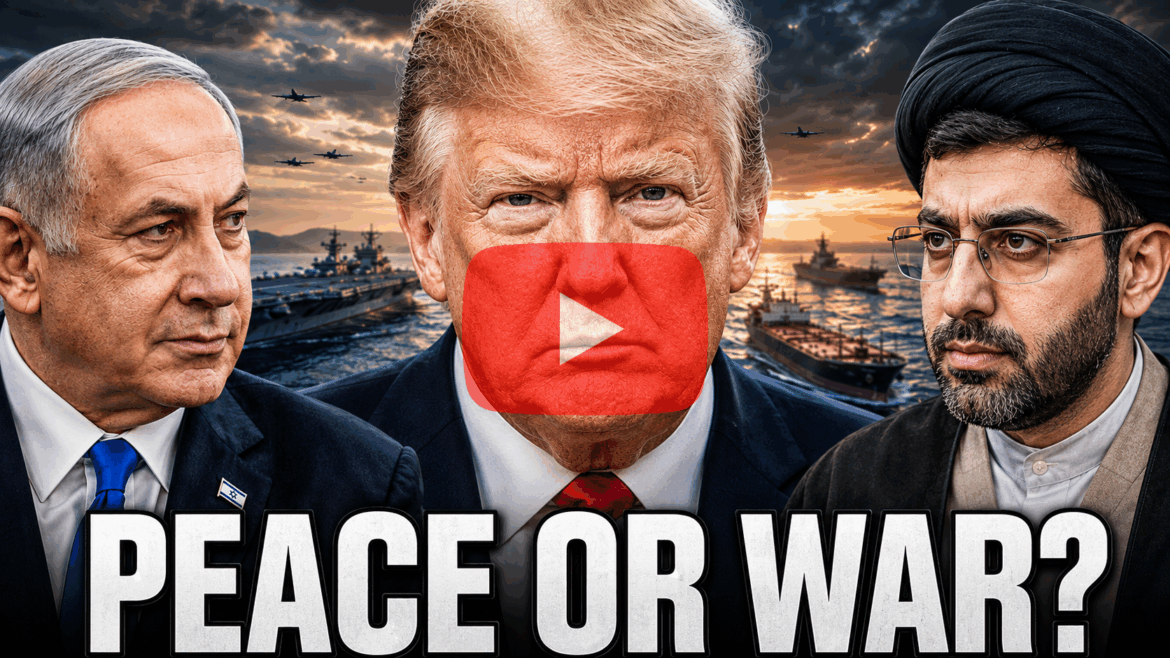
The latest indirect talks between the United States and Iran in Doha may have been described by President Trump as “very good,” but beneath the diplomatic language lies a much harsher reality. The core strategic disputes that sparked the recent conflict remain unresolved. If anything, both sides appear to be preparing simultaneously for peace negotiations and the possibility of another war.
ran’s public messaging leaves little room for ambiguity.
Tehran is now declaring that the Strait of Hormuz falls under the “exclusive sovereignty” of the Islamic Republic and is demanding that all commercial shipping follow Iranian-designated routes under Iranian instructions. Even more significant, Iranian officials openly state they intend to levy tolls on international shipping once the current 60-day arrangement expires. That is not simply a maritime dispute—it is an attempt to establish political and military control over one of the world’s most strategically important waterways.
At the same time, the Iranian military used Ali Khamenei’s funeral to issue another warning. The armed forces pledged absolute loyalty to the new Supreme Leader, Ayatollah Mojtaba Khamenei, vowed to continue the Islamic Revolution, and warned both Israel and the United States that any “miscalculation” would trigger a severe military response.
Those are not the words of a regime preparing to abandon its revolutionary ambitions.
So why is President Trump negotiating?
The most likely explanation is that the administration believes it currently holds overwhelming leverage. Following the military campaign, Iran is economically weakened, strategically isolated, and facing enormous reconstruction costs. Washington appears to believe that sanctions relief and access to frozen Iranian funds offer incentives powerful enough to reshape Iranian behavior without requiring another immediate military campaign.
American negotiators reportedly argued exactly that in Doha. Rather than earning relatively small revenues through Hormuz tolls, they suggested Iran could gain vastly greater economic benefits through sanctions relief if it accepts broader nuclear and regional concessions.
The problem is that Tehran appears to see the negotiations very differently.
Iranian officials continue insisting on recognition of their authority over Hormuz. They have not abandoned their missile program. They have not abandoned support for regional proxies. They continue speaking in revolutionary terms while preparing for renewed confrontation if diplomacy fails.
This explains why both governments agreed to establish a communications channel and maintain a temporary period of calm. Neither side appears to trust the other. Instead, both seem intent on buying time.
Vice President JD Vance reinforced this balancing act. He emphasized that America will not wage war simply for its own sake, while simultaneously warning that President Trump retains military options should Iran rebuild its nuclear program or resume regional aggression.
Israel remains the largest unanswered variable.
Jerusalem reportedly played no role in negotiating the memorandum of understanding and remains deeply skeptical of an agreement that leaves Iran’s missile infrastructure, proxy network, and regime intact. From Israel’s perspective, the fundamental objectives of the war have not been achieved.
That leaves the central question.
Will a final agreement emerge within the 60-day window?
It remains possible—but only if one side fundamentally changes its position.
At present, neither appears prepared to do so.
Trump seems determined to test whether maximum leverage can achieve what maximum firepower could not. Iran appears determined to pocket economic concessions while preserving its long-term strategic ambitions.
History suggests those two goals are unlikely to coexist for long.
The coming weeks may therefore determine whether this memorandum becomes the foundation for a historic agreement—or merely the pause before an even larger regional war.