Whatsapp
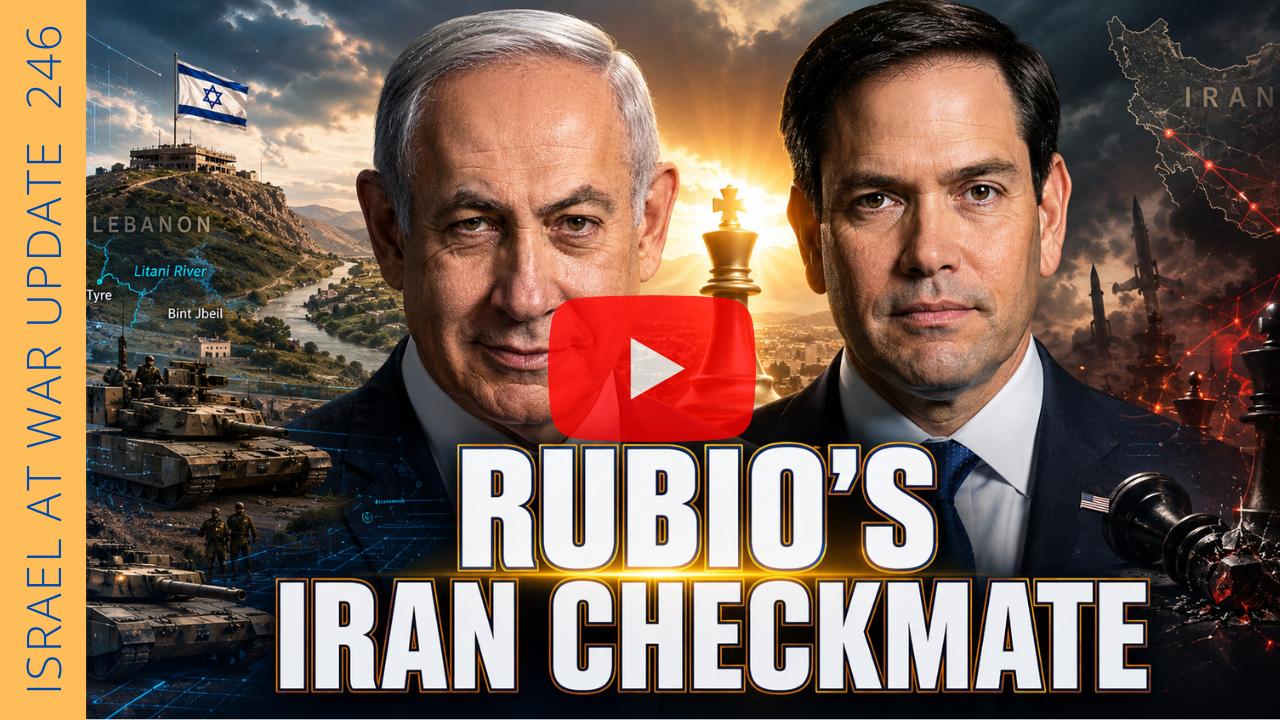
Iran has forcefully rejected President Donald Trump’s claim that Tehran privately asked Washington to halt planned military strikes or agreed to a proposal that would divide control of the strategically vital Strait of Hormuz. The public denial highlights the growing gap between Washington’s optimistic messaging and Tehran’s determination to project strength, even as diplomatic contacts reportedly continue behind the scenes.
According to Iranian officials, reports suggesting Tehran sought American restraint or accepted a deal involving shared authority over Hormuz are “completely false.” State media dismissed the claims as psychological warfare designed to portray Iran as backing down after months of sustained military and economic pressure. Iranian outlets also mocked what they described as Trump’s sudden shift from threatening military action to emphasizing diplomacy.
The Strait of Hormuz remains the world’s most strategically important maritime chokepoint, carrying a significant percentage of global oil exports. Any agreement affecting navigation through the waterway would have enormous geopolitical and economic consequences. While Trump has indicated that a broader agreement could soon reopen the strait and reduce regional tensions, Iranian leaders insist that no such arrangement has been finalized and reject suggestions that they are surrendering sovereign control.
Saudi Arabia has reportedly encouraged Washington to delay further military escalation in hopes that diplomacy can still succeed. At the same time, Israel has remained largely silent regarding the latest American announcements, reflecting the uncertainty surrounding the reported negotiations and their potential impact on regional security.
The competing narratives underscore a familiar reality in Middle Eastern diplomacy: negotiations often unfold alongside information warfare. Public statements are aimed not only at foreign governments but also at domestic audiences, where neither side wants to appear weak or eager for compromise.
Whether these conflicting claims represent genuine diplomatic progress or simply another phase in the strategic messaging battle between Washington and Tehran will likely become clearer only when concrete agreements—not public declarations—begin to emerge.